A Complete Guide to Logging in Northwest Arkansas
Smart Logging in NWA —
NWA Landowner Logging Tips
Logging in Northwest Arkansas is more than just cutting trees — it’s a careful, strategic process that brings landowners real value while improving the long-term health of their property. Whether you own 10 acres or 1,000, understanding how logging works in NWA helps you make informed decisions, avoid lowball offers, and partner with a company that protects both your land and your wallet. This guide breaks down everything you need to know before selling timber in Benton, Washington, Madison, Carroll, Crawford, or Newton County.
Understanding the Timber in Northwest Arkansas
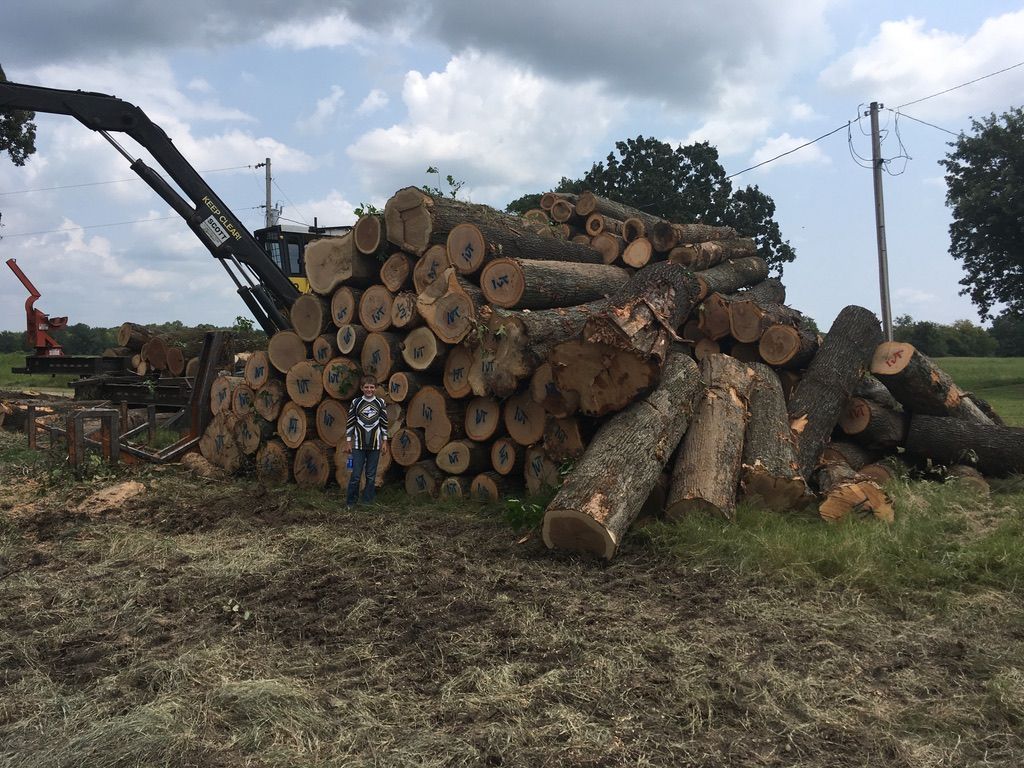
Northwest Arkansas is home to some of the highest‑value hardwoods in the country. The most common species we harvest include:
- White Oak (premium stave-grade potential)
- Red Oak
- Walnut (high-demand specialty markets)
- Hickory
- Ash
- Pine (select tracts)
Hardwood demand remains strong in NWA because of barrel staves, furniture, flooring, and millwork production. Knowing the species on your land is the first step to estimating value.
Our Logging Process
Step 1: The Timber Evaluation (Timber Cruise)
The Timber Evaluation (Timber Cruise)
Every logging job begins with a timber cruise — an on‑site assessment where we measure:
- Species mix
- Diameter at Breast Height (DBH)
- Log quality
- Volume and tonnage
- Access and terrain
This determines what your timber is worth before we ever bring equipment onto your land.
Step 2: Choosing the Right Harvest Method
Logging isn’t one‑size‑fits‑all. Based on your goals, land condition, and timber maturity, we may recommend:
- Selective Cut - Removal of mature, high‑value trees while leaving younger growth to thrive.
- Thinning - Reduces overcrowding so remaining trees grow faster and healthier.
- Clear-Cut (in specific situations) - Used for pine stands or low‑value tracts preparing for replanting or new land use.
The goal is always the same: maximize your timber value while protecting long-term land health.
Step 3: The Logging Operation
Once we begin the harvest, here’s how the process works:
1. Cutting - Professional fallers or mechanized cutters safely drop timber.
2. Skidding - A skidder moves logs to the log deck without tearing up your property.
3. Sorting & Grading - Logs are separated into sawlogs, veneer logs, stave logs, pulpwood, and firewood.
4. Loading & Hauling - Trucks take logs directly to the mill.
This is where Long Valley Timber stands apart — we own the mill. That means your logs go straight from your land to our operation, eliminating the middleman and putting more money in your pocket.
Step 4: Cleanup & Land Protection
Responsible logging protects your property. Our process follows Arkansas Best Management Practices (BMPs):
- Waterway and stream protection
- Minimal soil disturbance
- Clean log decks and stable access points
- Slash management or optional cleanup
Your land is left healthy and ready for the next generation of growth.
Why Logging in NWA Is So Valuable?
Hardwood demand is strong. Walnut and white oak continue to command high prices in local and export markets. And with more mills leaving Arkansas, companies that own their own mills — like Long Valley Timber — offer the most stable pricing.
If you've been waiting for the right time to harvest, NWA is still in one of the strongest hardwood markets in years.
Let’s Walk Your Land —
Thinking About Selling Timber?
You don’t have to guess what your timber is worth. We’ll come out, walk your property, evaluate your trees, and give you real numbers.